
What Are the Most Common Plumbing Issues in Castle Pines, CO and When Should You Call for Plumbing Repair?
If you own a home in Castle Pines, CO, you know how fast a small plumbing problem can snowball. Fast weather swings, hard water, and busy family schedules add up. This guide explains the most common issues we see locally and helps you decide when it is time to bring in a pro for plumbing repairs that protect your home and peace of mind.
What Counts as a Common Plumbing Issue in Castle Pines
Across Castle Pines Village, Castle Pines North, and nearby neighborhoods, certain patterns repeat. Leaks often hide in ceilings or behind vanities. Kitchen and bath drains slow down after heavy use. Pressure dips show up on second-floor showers. Water heaters struggle after cold snaps. These are not one-off problems. They are signals.
When those signals stack up, calling a licensed plumber early prevents damage to drywall, flooring, and cabinets. It also reduces downtime for your family’s routines.
Leaking Pipes and Hidden Moisture
Leaks rarely shout. You may notice a musty smell, bubbling paint, or a warped baseboard along a downstairs wall. Ceiling stains below upstairs bathrooms are another giveaway. Copper pinhole leaks and failing fittings are common as homes age or see frequent pressure changes.
Do not ignore new musty odors or unexplained water spots. Moisture that lingers can lead to mold and structural problems. If you see any of these signs, schedule professional plumbing repairs before a small seep becomes a ceiling repair.
Clogged Drains and Slow Fixtures
Slow drains can start with everyday life: cooking oils in the kitchen, soap and hair in the bath, or a washer that overloads the line. Repeated slowdowns often point to buildup deeper in the branch line, not just the trap. When multiple fixtures slow at once, it can suggest a larger restriction that needs pro equipment.
- kitchen clues: gurgling after the dishwasher runs or water backing into a second basin
- bath clues: a tub and sink that slow together or bubbles in the toilet when the tub drains
If these patterns sound familiar, a plumber can clear the blockage safely and confirm the pipe condition. When slowdowns keep coming back, consider professional drain cleaning and a camera inspection to address the root cause.
Low Water Pressure and Hard-Water Scale
Some Castle Pines homes experience mineral buildup from hard water. Over time, scale narrows passages inside aerators, cartridges, and even supply lines. The result is weak showers, slow-filling tubs, and inconsistent flow. Pressure regulator valves also wear with age and local conditions, which can swing pressure up or down.
Call a pro if pressure drops suddenly across the whole house or if it fluctuates day to day. That pattern can suggest a failing pressure regulator, hidden leak, or a partially closed valve that needs expert attention, not guesswork.
No Hot Water or Inconsistent Temperature
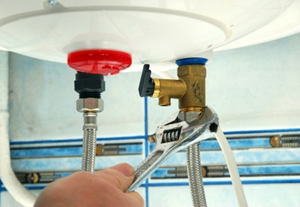
Running out of hot water, temperature swings, or long waits at distant fixtures are common complaints. Sediment at the bottom of a tank reduces capacity and efficiency. Loose or aging connections can also drip and go unnoticed in tight utility closets.
Watch for these red flags: water that cools faster than usual, the need to turn the handle farther for the same heat, or repeated resets on the unit. A licensed plumber can test components, check venting, and verify that your system is sized for your home’s layout and routines.
Running Toilets and Worn Fixtures
That faint refill sound is easy to tune out, yet it can waste hundreds of gallons each month. Worn flappers, tired fill valves, and mineral buildup on moving parts are the usual suspects. Left alone, the constant flow can also hide other problems like high pressure or a misadjusted float.
Curious about faucet trouble that keeps returning? This short read on what’s making your faucet drip explains why quick, correct repairs prevent repeat issues.
Frozen or Burst Pipes During Front Range Cold Snaps
Arctic blasts and strong winds can chill garage and exterior walls quickly. Uninsulated runs to hose bibs, laundry spaces over garages, and sink lines along outside walls are vulnerable. After a deep freeze, look and listen for new drips once temperatures rebound. Frozen lines that thaw can reveal pinhole leaks or split fittings.
If a line stops flowing entirely, call a licensed plumber. Improper thawing can crack fittings and create hidden damage behind the wall.
Sewer Backups and When To Act Fast
Backups are stressful and time sensitive. Tree roots seeking moisture, ground movement, or heavy usage can strain older sewer laterals. Warning signs include recurring clogs at lower-level fixtures, sewage odors in the yard, or multiple drains backing up at once.
- see standing water at a floor drain or first-floor tub
- hear gurgling in lower-level fixtures after upstairs use
- notice sewage odors outdoors near the lateral path
Sewer backups need immediate attention. A prompt camera inspection and the right clearing method protect your home and help you avoid repeat emergencies.
When To Call a Plumber vs. When To Monitor
Trust your senses. If something looks, sounds, or smells off, that is a signal to act. Call a licensed plumber when:
- you see active dripping, water stains, or a musty odor
- multiple fixtures slow at the same time or you hear persistent gurgling
- pressure drops across the whole house or swings from weak to strong
- hot water runs out faster than usual or the unit trips repeatedly
- any floor drain backs up, especially on the lowest level
If you are new to the area or just moved between Castle Pines and nearby Castle Rock or Lone Tree, it helps to baseline your system. A quick inspection documents current conditions, confirms safe operating pressure, and flags small issues before they disrupt your routine.
Local Context: Homes, Weather, and Materials
Homes near Daniels Park and along Monarch Boulevard may see strong winter winds that chill plumbing in exterior walls. Open-concept kitchens in newer builds often have long horizontal drain runs that benefit from correct slope and secure supports. Older homes can have copper lines and valves that show their age after years of pressure changes and mineral exposure.
Because local water can leave mineral deposits, fixtures and valves need periodic attention to keep moving parts smooth. That care prevents nuisance leaks, noisy pipes, and worn seals that lead to repeat service calls.
How We Help Castle Pines Homeowners
We focus on root-cause diagnostics and lasting solutions. That means confirming pipe condition, verifying water pressure, checking fixture internals, and making sure every repair restores function and reliability. If clogs keep returning, we recommend a camera inspection instead of guesswork. If pressure is off, we test the regulator rather than swapping parts blindly.
Prefer to start with a simple overview of common fixes? This quick article on the most common plumbing repairs in Aurora homes reflects what we see across the south metro area and how pros solve them the right way.
If you need a big-picture touchpoint or want to compare options, you can also visit our home base anytime. Many neighbors bookmark us for plumbing repair in Castle Pines, CO so help is one tap away.





