

7 Signs Your Sump Pump Is About to Fail in Douglas and Arapahoe County, CO (Before Your Basement Floods) Plus When To Schedule Sump Pump Repairs
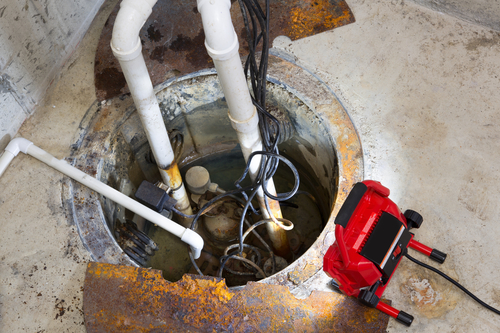
When spring snowmelt meets a fast Front Range storm, basements in Aurora, Centennial, Parker, Castle Rock, and Highlands Ranch can take on water fast. If you’ve noticed anything unusual with your system, it’s time to think about repairs for the sump pumps before the next weather swing. Below are the most common red flags we see across The Douglas County & Arapahoe County Area, CO and what they mean for your home.
Why Sump Pump Repairs Matter in Douglas and Arapahoe County
Our area sees freeze-thaw cycles, heavy clay soils, and intense summer cloudbursts. Groundwater rises fast along Cherry Creek, the South Platte, and neighborhood drains in places like Greenwood Village, Lone Tree, and Larkspur, CO. A healthy pump keeps that water from becoming a basement emergency.
Sign 1: The Pump Runs Constantly or Short-Cycles
If the pump runs non-stop on a clear day or turns on and off every few seconds, something is wrong. The float may be misaligned, the check valve may be leaking back, or the pump may be undersized for your pit. In high water table neighborhoods near open space or ravines, this behavior can be the first clue of trouble. A pump that runs constantly is an emergency because it can overheat and fail without warning.
Sign 2: Loud Grinding, Rattling, or Humming
Healthy sump pumps make a consistent, low sound. Grinding, rattling, screeching, or a loud hum can signal worn bearings, a jammed impeller, or debris in the volute. Basements in older homes from Littleton to Englewood often collect fines and silt that work their way into the pump. Noise is your early warning siren. Don’t wait for it to “work itself out.”
Sign 3: Water Level Stays High in the Pit
Look through the pit cover during or after a rain. If the water level hovers near the top or your pump runs but the level barely drops, the discharge could be restricted or the pump may have lost capacity. Ice, slush, or a crushed section of discharge line in winter can choke flow, especially along shaded side yards in Centennial and Castle Pines. The longer water sits high in the pit, the greater the chance of seepage and wall damage.
Sign 4: Visible Rust, Corrosion, or Milky Oil
Rust on the pump housing, a corroded check valve, or a milky sheen in the pit are warning signs. Corrosion can weaken fittings and cause air leaks that kill prime and reduce lift. A milky fluid might indicate water intrusion into the motor oil on certain models. In homes near new construction or landscaping projects, concrete washout and grit can speed up corrosion and wear.
Sign 5: Vibration or Shuddering During Operation
Excessive vibration points to an impeller issue, bent shaft, or debris caught inside. That shaking stresses discharge joints and rubber couplers, which can split under pressure. If a vibration started after a heavy storm or an outage, the pump may have ingested small gravel when power returned and water surged back into the pit.
Sign 6: Strange Smells or Warm, Burnt Odors
Burning or hot electrical smells mean the motor is overheating. Shut the circuit off and call a pro. If you smell burning, cut power at the breaker and call a plumber. Musty or sewer-like odors can point to stagnant water, a dried trap, or a failed sealed lid, which also invites radon and humidity into the living space.
Sign 7: Age, Power Outages, and Backup Alarms
Pumps working year-round along the Front Range often age out sooner than expected. Pumps over 7–10 years old are at higher risk, especially if they cycle often. Frequent outages from wind or lightning can trip GFCIs, drain backup batteries, and stress electronics. If your battery backup chirps, displays a fault, or the test button does nothing, treat that as a failure warning, not a nuisance.
Local Clues Homeowners Often Miss
Beyond the obvious signs, these local patterns can hint at developing problems:
- Downspouts that dump near the foundation during fast snowmelt in March through May.
- Settled patios or driveways in Highlands Ranch and Parker that tilt runoff toward the house.
- Hail- or wind-damaged gutters in Aurora and Greenwood Village that overflow into window wells.
- Landscape beds with plastic edging that trap water against basement walls.
What “Sump Pump Not Working” Really Means
When homeowners call with “sump pump not working,” the root cause varies. Sometimes the pump runs, but the check valve is stuck open and sends water right back into the pit. Other times the float switch is pinned against the liner, so the pump never receives the start signal. In a few cases, the discharge exits to a frozen splash block or buried section that is packed with ice. Any of these can make a good pump act like a bad one.
How Weather Here Pushes Marginal Pumps Over the Edge
Our sudden storm bursts and long dry spells create stress cycles. Dry periods let sediment settle in the pit. The next storm stirs everything up and sends grit into the impeller. Heavy clay soils swell and push on discharge lines, loosening fittings. Then comes a cold snap that freezes pooled water at the outlet. That sequence can happen twice in a single month from Castle Rock to Foxfield, and a borderline pump won’t keep up.
When To Call a Plumber
Call right away if you notice any of the seven signs, a tripped GFCI, or standing water near foundation cracks. Never reach into the pit while the pump is plugged in. If you’re unsure whether to wait or schedule now, remember that a fast-moving storm can arrive before a forecast update. A brief inspection by a licensed plumber can prevent soaked carpet, ruined drywall, and mold growth.
What To Share With Your Plumber
You’ll help your technician diagnose faster if you share a few details when you schedule:
- When you first noticed the noise, smell, cycling, or alarm.
- Whether the issue began after a power outage, heavy rain, or snowmelt.
- Where the discharge exits and if you’ve seen pooling or ice at the outlet.
- Approximate pump age and whether there is a battery backup system.
Repair, Replacement, or Upgrade?
Sometimes a simple check valve replacement or float adjustment restores normal operation. In other cases, an older, undersized unit needs an upgrade to match your pit and groundwater volume. Homes near open space or low-lying lots often benefit from a higher-capacity primary pump paired with a reliable backup. If you’re weighing options, a quick assessment of your pit size, head height, and discharge route will point you in the right direction.
A Note on Backups and Alarms
Battery backups and water-level alarms are not extras in our region. They buy you time during outages and provide a warning if the primary fails while you’re at work or away for the weekend. If your backup has ever saved you during a summer storm, have it tested before next season. Replacing aging batteries on schedule keeps the whole system dependable.
Neighborhood Snapshots Across The Douglas County & Arapahoe County Area, CO
Every subdivision has its quirks. In parts of Parker and Castle Pines, longer discharge runs make check valves and slope especially important. In Centennial and Greenwood Village, mature trees can send roots toward drain lines and window wells. Larkspur, CO homes often sit near hillsides where runoff patterns change with each freeze-thaw cycle. The right repair plan accounts for these local details, not just the pump model.
If You See These Signs, Don’t Wait
The worst floods often follow a week of “odd” pump behavior. That hum that seemed new, the frequent cycling, the faint heat smell, or the pit that never quite empties can become a failure the next time the sky opens. Setting a prompt appointment puts you ahead of the weather. If your system is acting up now, use our page on sump pump repairs to get familiar with the service and options before we arrive.
How RMW Plumbing Services Help
We start with a focused inspection of the pit, float travel, check valve, discharge route, and nearby drainage. We test for backflow into the basin, verify electrical supply and GFCI behavior, and check for corrosion and air leaks. Then we recommend a targeted fix to restore reliability. If it’s time to upgrade, we size and install a unit matched to your home’s demands.
Stay Ready Year‑Round
Front Range weather rewards preparation. A dependable pump keeps your basement dry during spring melt, summer downpours, and fall storms. If you want a quick overview of your options and local service area, you can always start at our home page for sump pump repairs in Aurora, CO and surrounding neighborhoods.
Protect Your Basement With Professional Help
If any of these seven signs sound familiar, schedule service with RMW Plumbing Services today. Call 303-681-3400 to book a convenient sump pump appointment in Aurora, Centennial, Parker, Castle Rock, Highlands Ranch, and nearby communities. We’ll make sure your system is ready for the next storm and beyond.





